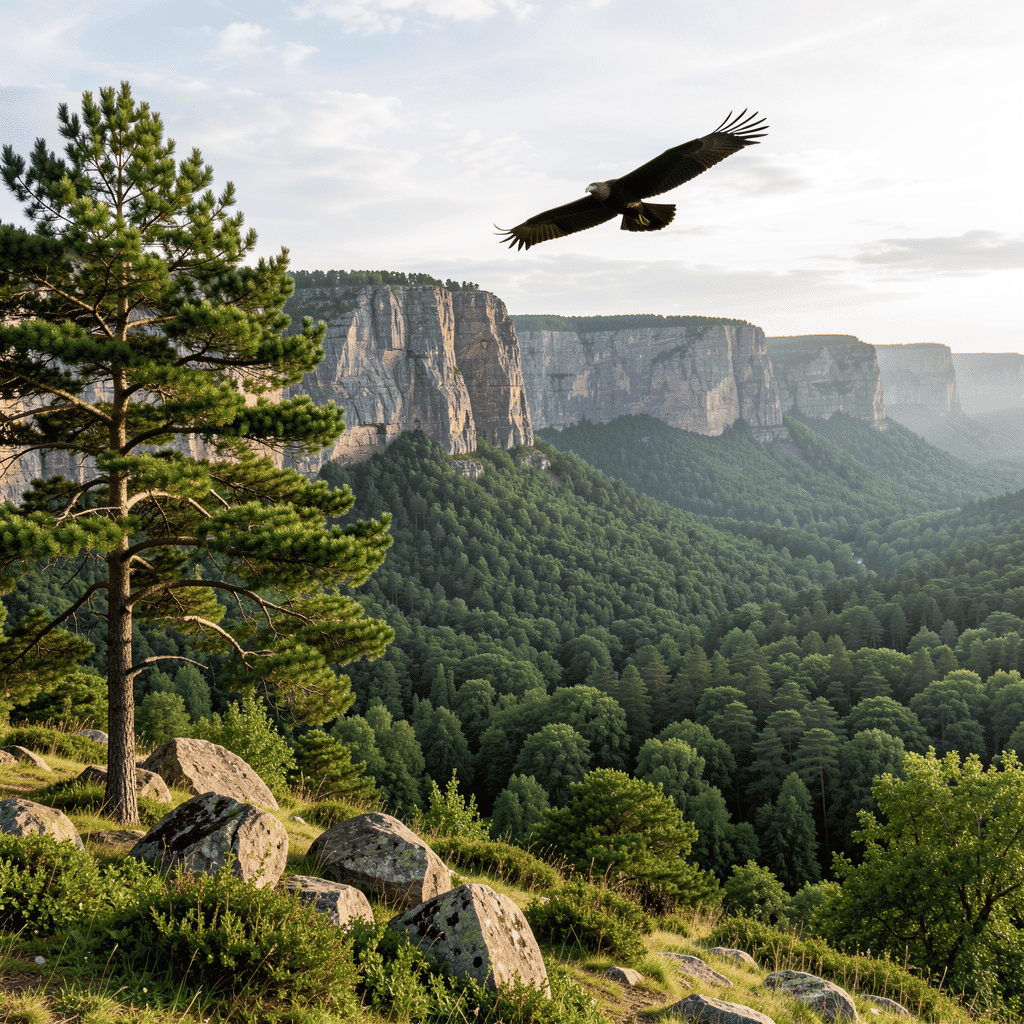
Venture into the enchanting world of nature through the lens, where the wilderness unfolds its dramatic narratives and serene beauty. Capturing the essence of the environment and its inhabitants requires more than just technical skills; it involves observing, respecting, and understanding the natural world. Here’s a guide to help you encapsulate the spirit of the wild with authenticity and creativity.
Understanding Your Environment
Before you even hold up your equipment, spend time in the field. Learning about the local fauna and flora enhances your ability to anticipate and capture remarkable moments. Understanding animal behavior, migration patterns, and plant blooming cycles can provide you with opportunities to photograph nature in its most dynamic moments.
Ethical Considerations
Respect for the environment and its inhabitants should be paramount. Avoid disturbing wildlife or altering their habitats to get a perfect shot. Keep a safe distance from animals, use telephoto lenses to avoid intrusion, and adhere to local regulations protecting wildlife and natural spaces.
Mastering Light and Composition
Nature’s canvas offers a wide spectrum of lighting scenarios. The so-called "golden hour" during early morning or late afternoon provides soft, diffused light that enhances colors and textures. When composing your shots, consider using the rule of thirds, leading lines, and natural frames to create visually balanced and engaging images.
Embracing Creative Techniques
Think beyond traditional compositions and experiment with various techniques to add depth and interest to your work. Long exposures can capture the flow of water or the path of stars across the night sky, while macro photography reveals intricate details of tiny subjects. Using reflections and shadows creatively can add layers and depth to your compositions.
Equip Yourself Strategically
While your skill and vision are the most crucial elements, having the right tools can elevate your work. Choose lenses that are versatile for landscapes and wildlife, such as a wide-angle lens for sweeping vistas and a telephoto lens for capturing distant subjects. A sturdy tripod is indispensable for stability in low-light conditions or for long exposures.
Engaging With the Subject
Successful nature photography often hinges on patience and perseverance. Spend time observing your subjects silently, waiting for authentic moments. A bird taking flight or a fox playfully interacting with its surroundings are moments that may require hours of observation and quick reflexes to capture.
Developing a Personal Style
Find your unique voice by experimenting and reflecting on your passions and perspective. Whether you are drawn to the intimacy of a bird’s eye or the grandeur of majestic mountain ranges, your personal touch can turn a simple visual into a story that resonates with the viewer.
Sharing Your Work Responsibly
When sharing your images, whether online or in galleries, acknowledge the locations and the creatures you photograph. Educate your audience about the importance of conservation and the beauty of the natural world. In doing so, you foster appreciation and awareness that can lead to protective efforts for these precious environments.
In essence, capturing nature requires a blend of technical expertise, ethical practice, and creative expression. With this approach, you not only create stunning images but also contribute to a broader appreciation and stewardship of the natural world.