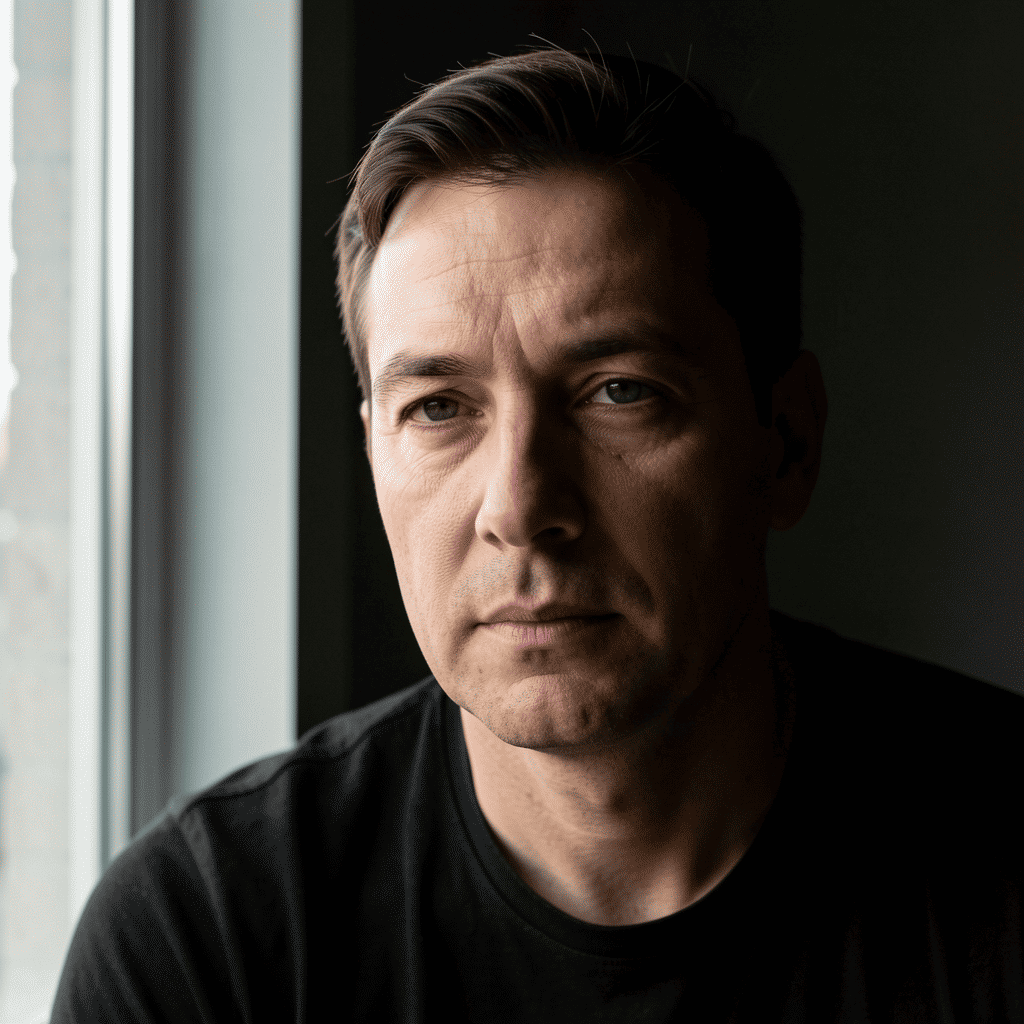
Exploring the world through a camera lens is a journey filled with creative possibilities. One of the most transformative elements in this artistic endeavor is lighting. Mastering the art of lighting can elevate your images from good to extraordinary, adding a captivating depth and emotional resonance.
Natural Sunlight: Embracing the Golden Hours
Natural lighting is the most accessible and versatile tool in any photographer's arsenal. The golden hours, which occur shortly after sunrise and before sunset, provide a soft, warm glow that lends itself beautifully to creating stunning images. During this time, shadows are softer, and the warm tones enhance the colors, adding a dreamy quality to your photographs.
To make the most of natural sunlight, consider the direction and intensity of the light. Early morning light can produce delicate pastels, while the evening golden hour can emphasize vibrant hues and dramatic shadows. Experiment with backlighting during these times to create silhouettes or halo effects, adding a unique flair to your images.
Midday Sun: Challenges and Opportunities
Photographers often shy away from shooting during the harsh midday sun due to the stark shadows it creates. However, this time can offer unique opportunities to experiment with contrast. Use the high contrast to your advantage by focusing on textures and patterns. Pay attention to architectural details or natural landscapes that can be accentuated by strong directional light.
Alternatively, use a reflector to bounce light back into shadowed areas, softening harsh contrasts and creating a more balanced image. Reflectors are a great tool for portrait sessions when natural fill light is needed to illuminate your subject evenly.
Artificial Lighting: Crafting the Scene
When natural light isn't available or suitable for your vision, artificial lighting becomes indispensable. Studio lighting setups, including softboxes, umbrellas, and reflectors, allow for precise control over the lighting environment. These tools can mimic natural sunlight or create entirely new atmospheres.
Softboxes and umbrellas are excellent for producing soft, diffused lighting, which is flattering for portraits. The direction and distance of your light sources will affect shadow creation and highlight intensities, allowing for creative experimentation. Positioning lights at different angles can shape the mood of the image, from dramatic and moody to bright and cheerful.
Mixing Light Sources: A Creative Fuse
A more advanced lighting technique involves blending natural and artificial light. This fusion allows photographers to maintain consistency in the setting while enhancing specific areas of the composition. By strategically positioning artificial light, you can highlight the subject without overpowering the natural ambiance.
When combining different sources, consider the color temperature of each one. Use gels to match or contrast these temperatures, adding subtle nuances that enhance the mood of the photograph.
Conclusion
Whether using the soft hues of dawn, the stark contrasts of midday, or a comprehensive artificial setup, understanding lighting is crucial for transforming your photography. By exploring the nuances of different light sources and practicing varied techniques, you'll unlock the potential to infuse your images with depth and emotion, capturing moments that resonate long after they were taken.