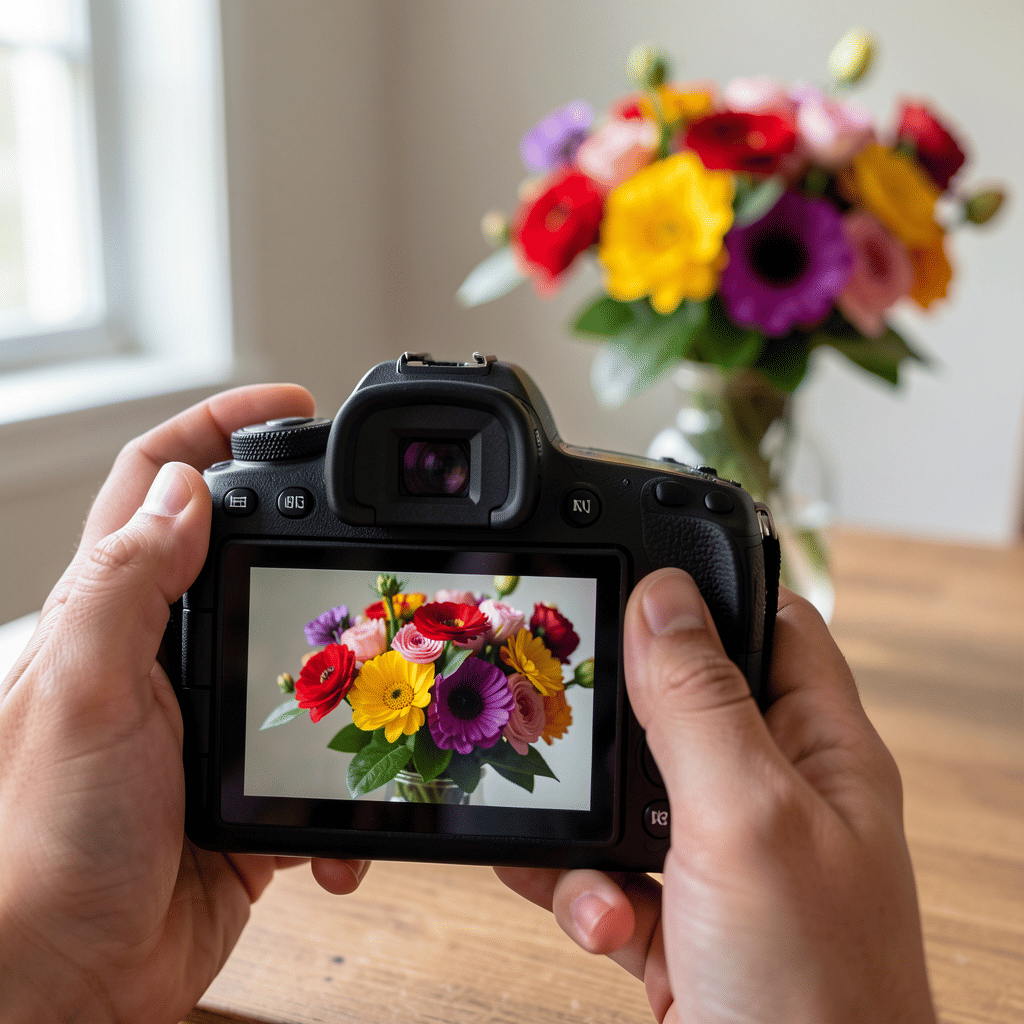
Elevating your digital photography skills involves understanding both the technical aspects of your camera and the creative processes behind capturing stunning images. Here are some valuable tips to help you take your photographic abilities to the next level.
1. Master Your Camera Settings: Understanding your camera's settings is fundamental to improving your photography. Familiarize yourself with aperture, shutter speed, and ISO, collectively known as the exposure triangle. Adjusting these settings allows you to control the amount of light entering your camera, helping you achieve the perfect exposure for your shot.
- Aperture: A lower f-number (e.g., f/2.8) creates a shallow depth of field, ideal for portraits, while a higher f-number (e.g., f/16) keeps more of the scene in focus, great for landscapes.
- Shutter Speed: Use a fast shutter speed (e.g., 1/1000s) to freeze motion, and a slow speed (e.g., 1/30s) to capture movement, as in long-exposure images.
- ISO: A lower ISO (e.g., 100) is ideal for bright conditions, while a higher ISO (e.g., 1600) is better for low-light situations, though it may introduce noise.
2. Embrace Post-Processing: Post-processing can significantly enhance your images. Use software like Adobe Lightroom or other editing tools to adjust color balance, contrast, and sharpness. However, the key is to enhance the image while maintaining a natural feel. Subtle adjustments can make a world of difference without making the image appear overly edited.
3. Explore Innovative Techniques: Experimenting with new methods can unlock creative potential. Here are a few techniques:
- Focus Stacking: This involves taking multiple images at various focal points and combining them to create a single image with an extended depth of field.
- HDR Photography: Capture three or more images at different exposures and merge them to produce a photograph with a higher dynamic range of lighting levels.
- Panoramas: Stitch together a series of photographs taken from the same point to create a wide-view image, ideal for landscapes.
4. Consider Composition: Composition is about arranging elements in your frame to create a pleasing and harmonious photograph. Some vital rules include:
- Rule of Thirds: Imagine dividing your image into nine equal parts using two horizontal and two vertical lines. Place key elements along these lines or at their intersections to create balance.
- Leading Lines: Use lines within your image, such as roads or rivers, to guide the viewer's eye toward the subject.
- Framing: Use elements within the scene to create a natural frame around your subject, such as branches, windows, or doorways.
5. Practice Patience and Perseverance: Great photography often requires waiting for the right moment. Whether it's the perfect lighting during the golden hour or capturing a candid moment, patience is crucial. Keep shooting regularly to hone your skills and learn from each shot.
By understanding your camera capabilities, embracing creative techniques, and refining your composition, you'll capture unforgettable images that convey emotion and narrative. Keep exploring and experimenting with these tips to continue growing as a digital photographer.