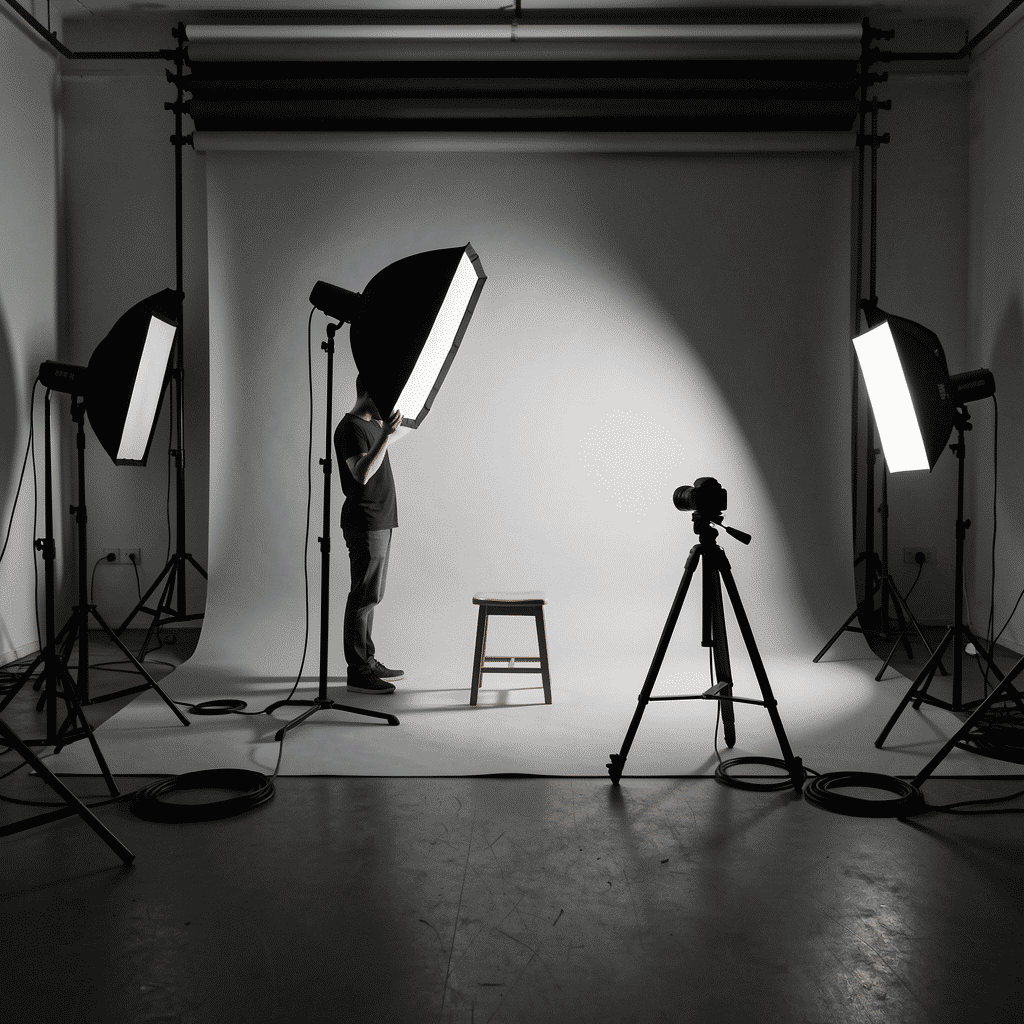
Mastering the art of lighting is a crucial skill for anyone passionate about capturing stunning images. The difference between a mediocre and an exceptional image often lies in how light is manipulated. Whether utilizing the sun's natural rays or incorporating controlled artificial lights, understanding the nuances can significantly impact the outcome of your photos.
Natural Light Techniques
Natural light is the most accessible and often the most beautiful form of illumination. It's essential to understand its various moods and characteristics:
-
Golden Hour: This is the period shortly after sunrise or before sunset when the light is softer and warmer. Photographers cherish this time as it adds a golden glow to subjects, enhancing textures and adding depth.
-
Blue Hour: Occurring just before sunrise or after sunset, this time offers a cooler and bluish light. It’s perfect for creating moody and atmospheric images, often ideal for landscape and urban settings.
-
Diffused Light: Overcast skies act as a natural diffuser, softening shadows and minimizing harsh contrasts. This type of light is excellent for portraiture, as it creates even skin tones without sharp lines or highlights.
-
Direct Sunlight: While often harsh, direct sunlight can be creatively used for dramatic effects. Position your subject strategically to play with shadows and highlights, or use tools like reflectors to bounce the light.
Artificial Light Techniques
Artificial lighting offers precision and control. It allows photographers to shape light to their exact preferences, regardless of the time of day.
-
Continuous Lighting: This type of lighting is always on, making it easier to see the effects in real-time. It’s often used in studio settings and is excellent for newcomers looking to understand how light interacts with their subject and environment.
-
Strobes and Flashes: These provide powerful bursts of light, ideal for freezing motion or overpowering ambient illumination. They are highly flexible, enabling you to adapt the intensity, direction, and quality of light according to your needs.
-
Softboxes and Umbrellas: These modifiers are designed to diffuse light, creating a softer, more flattering effect. They are especially useful in portrait and product settings, providing even illumination and reducing harsh shadows.
-
Gels and Filters: Use these to add color to your lighting setup. Whether you desire a warmer tone or a creative burst of color, gels can dramatically change the mood and impact of your images.
Hybrid Approaches
Combining natural and artificial lighting can lead to a unique mastery of light:
-
Fill Flash: Use a small flash to fill in shadows during bright outdoor settings, ensuring balanced illumination.
-
Reflectors with Ambient Light: By reflecting existing light onto your subject, you can achieve a well-lit effect without the need for strobes or external lights.
Conclusion
The journey to mastering lighting techniques is continuous and evolving. By experimenting with different setups and understanding the characteristics of various lighting conditions, you can enhance your imagery dramatically. Lighting is the brush with which photographers paint their visions, and mastering it opens pathways to incredible creativity and expression. Whether utilizing the sun's natural beauty or artificial aids, this understanding elevates your craft and distinguishes your style.